
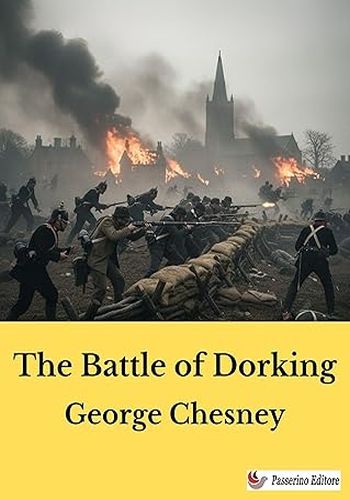
A forgotten classic that shocked Victorian Britain and helped define the modern genre of military fiction. First published anonymously in 1871, The Battle of Dorking imagines a chilling scenario: a sudden invasion of England by a powerful foreign enemy. Told by an aging veteran recalling the nation’s rapid defeat, the novella exposes the consequences of political complacency, military unpreparedness, and blind faith in national superiority.
Chesney’s tale became an immediate sensation. Its stark realism, prophetic warnings, and haunting vision of a fallen Britain sparked fierce debate in Parliament, influenced defense policy, and inspired a wave of “invasion literature” across Europe and America. More than a simple war story, it is a sharp critique of society and a plea for vigilance in a rapidly changing world. In an era when global tensions and shifting alliances once again shape international security, The Battle of Dorking remains strikingly relevant — a powerful reminder of how fragile national stability can be.
George Tomkyns Chesney (1830–1895) was a British army officer, military theorist, and writer whose works left a lasting mark on strategic thought in the late Victorian era. Serving in the Bengal Engineers and later rising to the rank of lieutenant general, Chesney combined practical military experience with a keen analytical mind. His groundbreaking novella The Battle of Dorking (1871) ignited national debate on defense preparedness and is widely regarded as the origin of modern “invasion literature.” Beyond fiction, he authored influential essays and held important administrative roles in British India. Chesney’s legacy endures as that of a soldier-scholar who used storytelling to warn, provoke, and reshape public policy.
Buy it on Amazon!


